Mardin
City of Golden Stone
About This Destination
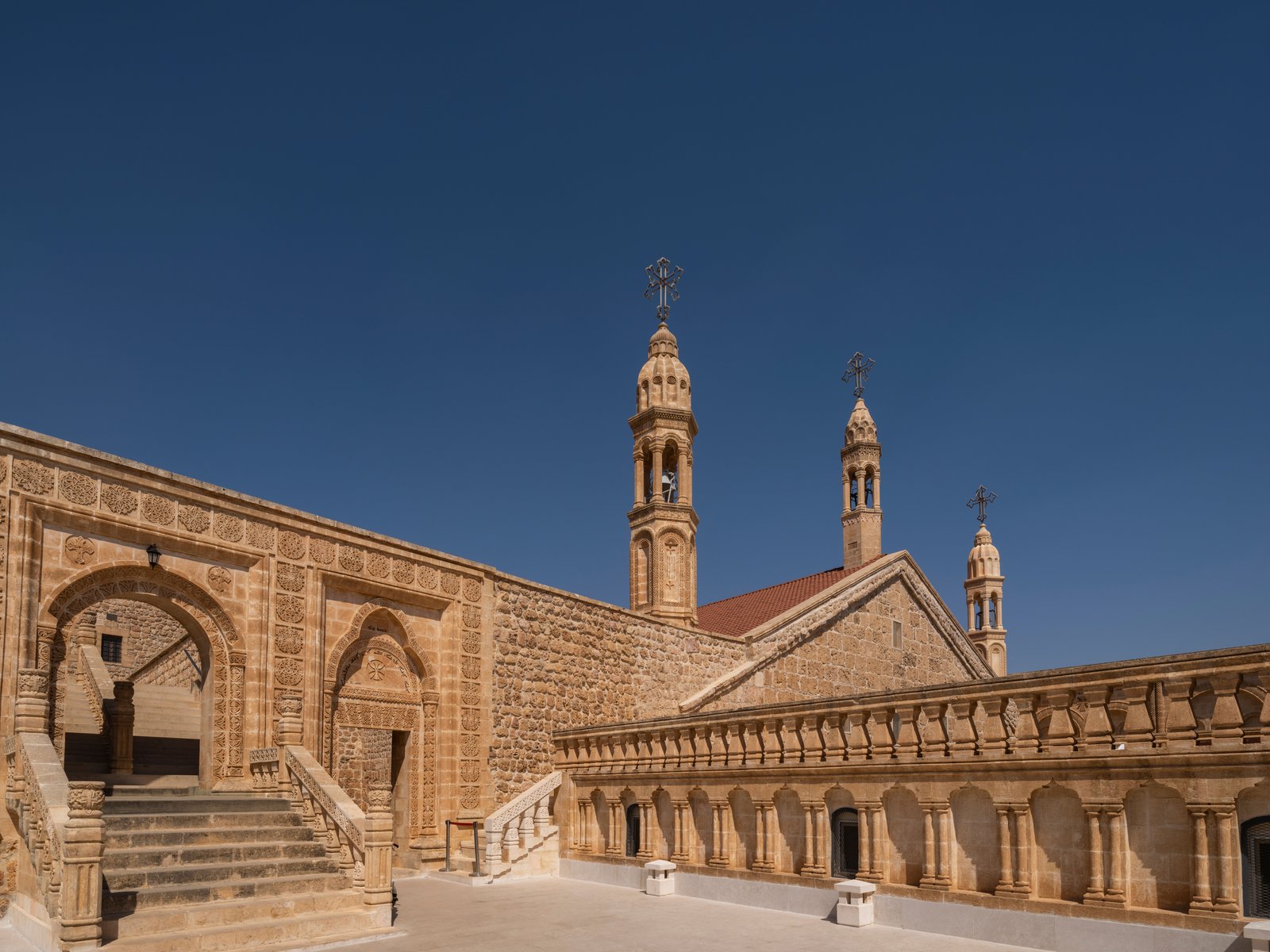
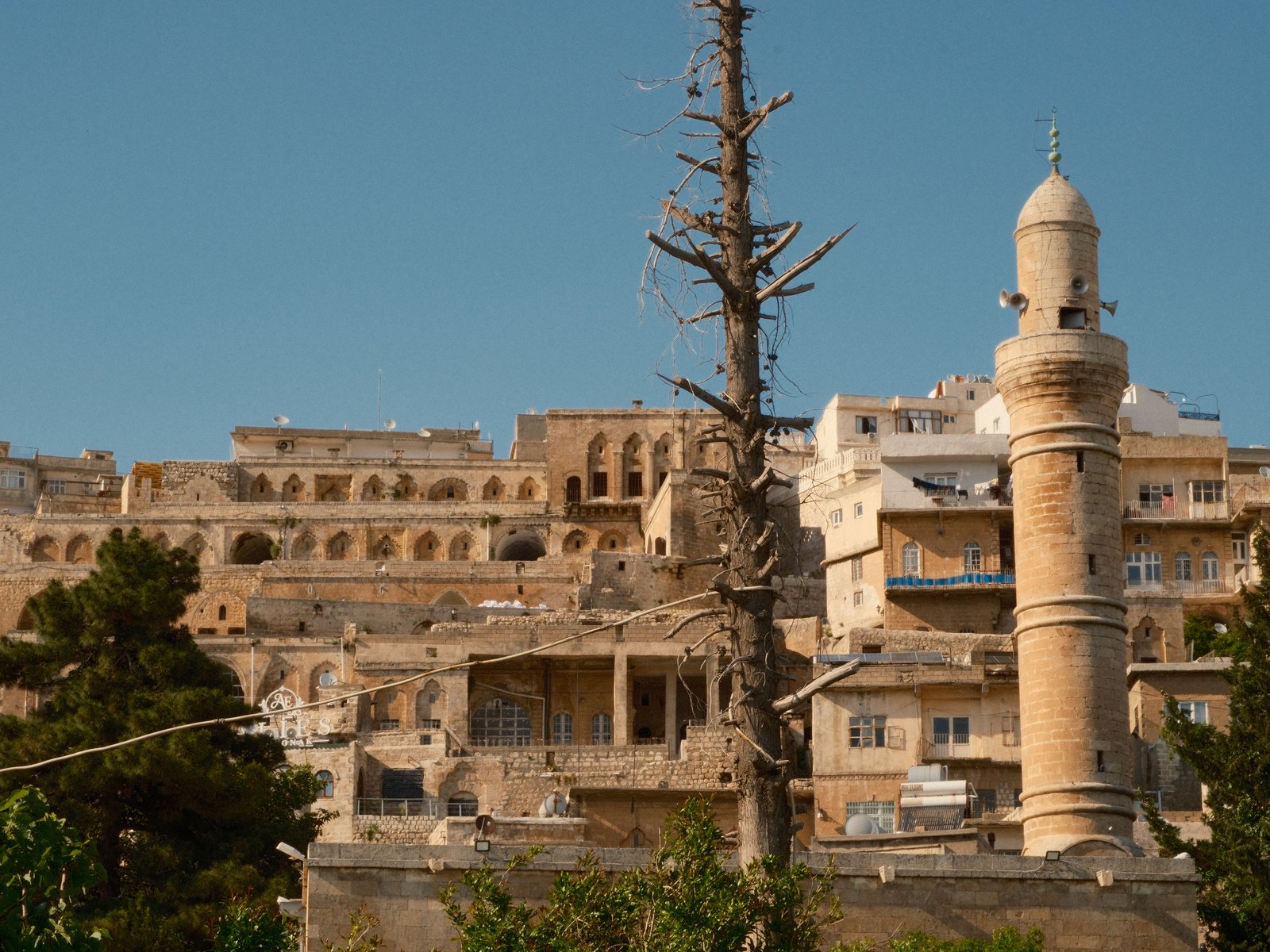
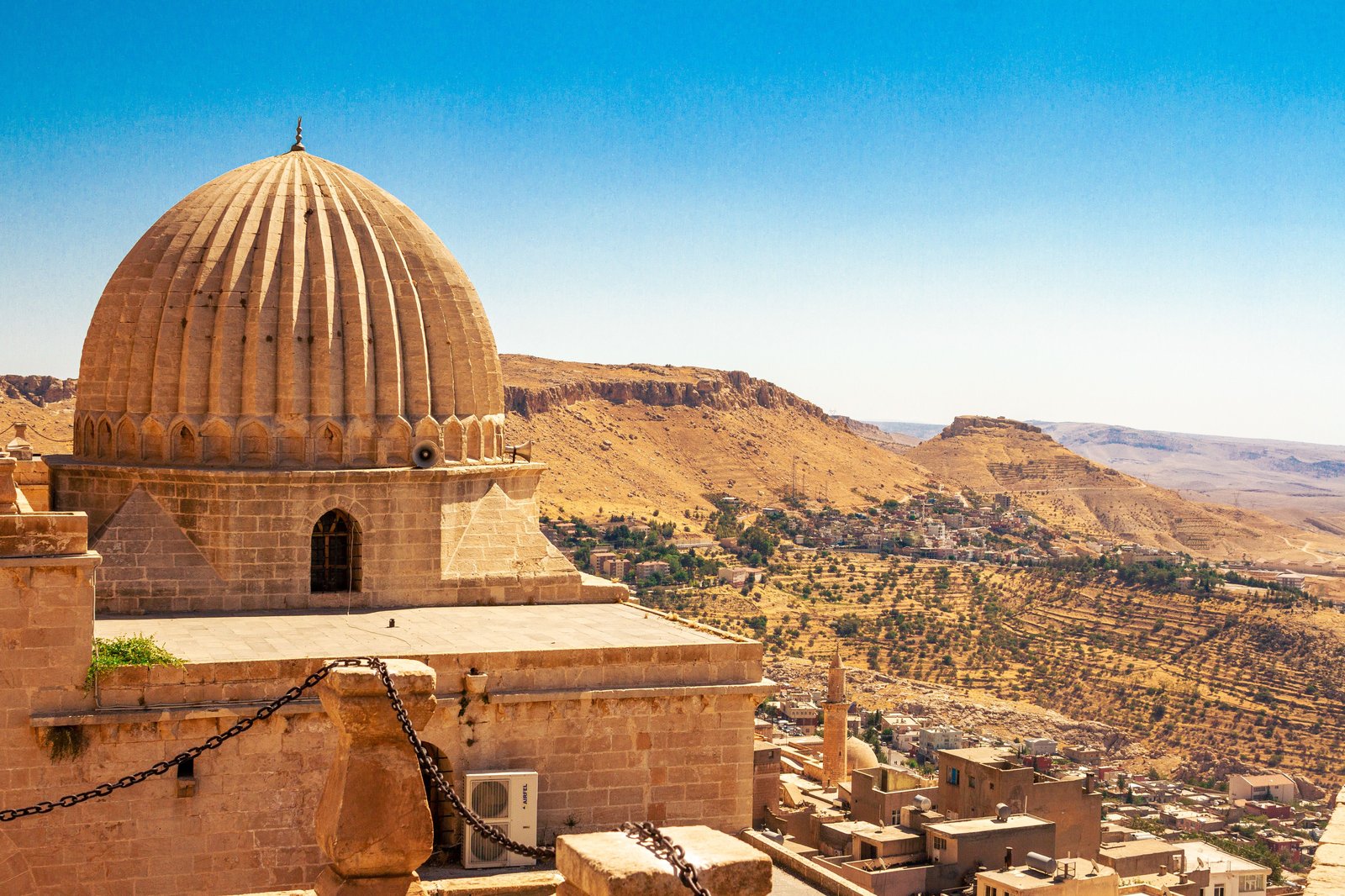
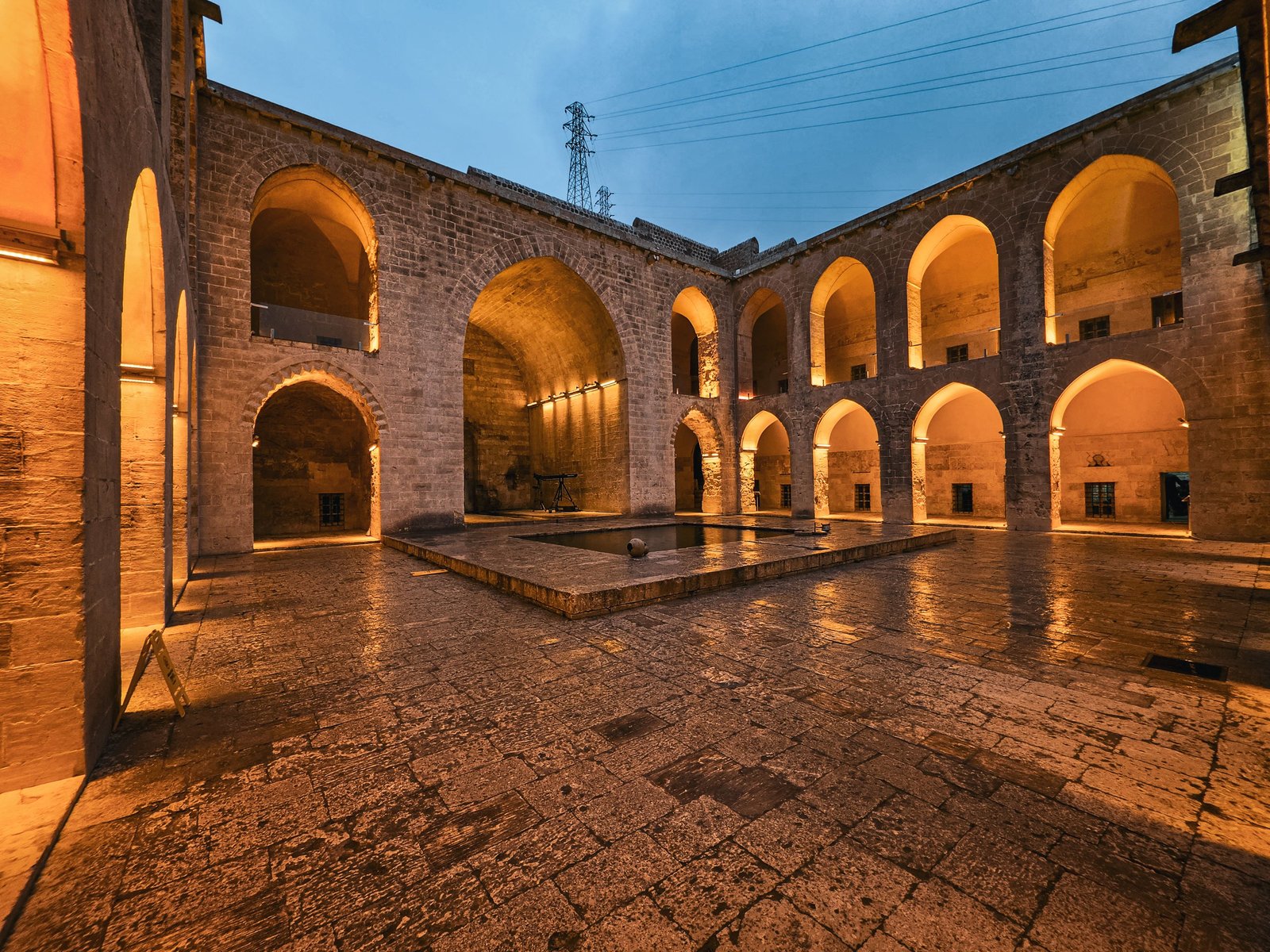
Mardin rises from the Mesopotamian plains like a golden vision — a terraced city of honey-coloured limestone, where intricately carved mansions, ancient monasteries, and minarets overlook the vast Syrian plateau. This living museum has been a crossroads of civilizations for millennia.
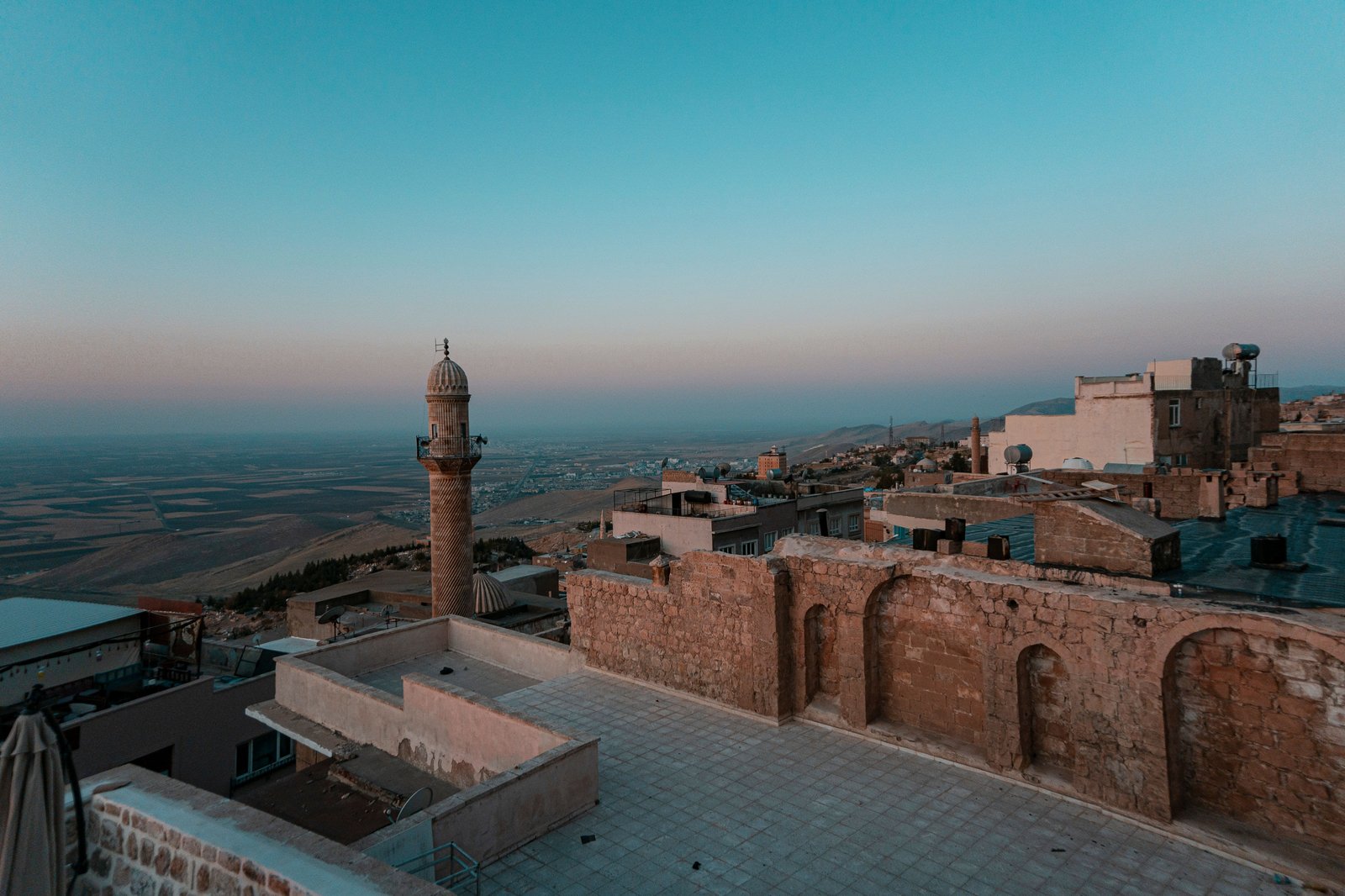
Wander the labyrinthine old town where Syriac, Arab, Kurdish, and Turkish cultures intertwine, visit the 1,600-year-old Deyrulzafaran Monastery, and browse artisan workshops crafting silver filigree as they have for centuries. Sunset over the plains from a rooftop terrace is an unforgettable sight.
Our Mardin experiences include private tours with local historians, stays in restored stone mansion boutique hotels, exclusive monastery visits, and immersive encounters with the region's remarkable multicultural heritage and cuisine.
Essential Information
- Best time to visit
- March - May, September - November
- Language
- Turkish
- Visa
- E-Visa available for most nationalities
- Currency
- Turkish Lira (TRY)
- Suggested stay
- 2–3 nights
- Gateways
- Mardin (MQM) · Şanlıurfa (GNY)
- Best for
- Cultural connoisseurs, architecture and heritage lovers, and off-the-beaten-path travellers.
Highlights
- Historic old town private tours
- Deyrulzafaran Monastery visits
- Restored stone mansion hotels
- Silver filigree artisan workshops
- Mesopotamian plateau sunsets
Suggested Combinations
- Mardin + Nemrut & Göbeklitepe — the essential Southeastern Anatolia route
- Mardin + Cappadocia — golden stone city and fairy chimneys
Mardin is built on a hillside, with the Mesopotamian Plain stretching to the horizon below — the same view for thousands of years. Houses of honey-coloured limestone glow like gold at sunset. This is one of Turkey’s most layered cities: a Syriac church, Arab architecture and a Seljuk madrasa stand side by side on the same street. The language you hear over your coffee may be Arabic, Kurmanji or Syriac. It has not yet given in to mass tourism — and that is the best reason to go.
Why Travel to Mardin with Allway Tour?
- Beyond the usual route: Many of Mardin’s most beautiful courtyards are inside private houses. Where possible, we arrange visits to places that are not on the standard tourist route.
- The right guide matters: The history of this region is layered and sensitive. Instead of superficial commentary, we work with guides who know the region well and present it with respect.
- Monastery visits: Deyrulzafaran and Mor Gabriel are still active places of worship. Visiting hours change with the liturgical schedule — we coordinate them in advance.
- A team in the region: We have our own team around Mardin and Şanlıurfa, which matters in a region where distances are long.
Mardin Highlights
Old Mardin and Its Stone Architecture
The city is built in terraces on the hillside; from each house’s terrace you see the roof of the house below, and none blocks another’s view — a discipline of urban planning that goes back centuries. The narrow streets around the Zinciriye Madrasa and the Great Mosque should be explored on foot; vehicles cannot enter.
Deyrulzafaran Monastery
A Syriac Orthodox monastery around 1,500 years old — for a long time the seat of the patriarchate, and still active today. The mosaics inside and a lower level thought to belong to an earlier temple sum up, in a single place, how many civilisations the region has seen.
Midyat and the Art of Telkari
About an hour from Mardin, Midyat has stonework even more striking than Mardin’s. Telkari (silver filigree) is kept alive here — you can watch craftsmen at work in their workshops. The Syriac quarter on the Estel side is the part most tours skip.
The Ancient City of Dara
About 30 km from Mardin, a Roman–Byzantine frontier garrison carved into the rock. Its cisterns and necropolis are surprisingly well preserved, yet it sees almost no visitors. For those who want to avoid crowds, it is the most loved stop of the programme.
Frequently Asked Questions
When is the best time to visit Mardin?
March–May and September–November. Summer is very hot in the region and walking uphill on the stone streets at midday is demanding. In spring the plain turns green and the view is at its most beautiful. Winter is quiet and cool — you may even see snow.
Can Mardin and Göbeklitepe be combined in one programme?
Yes — it is the most popular combination. Mardin to Şanlıurfa is about 3 hours, and Göbeklitepe is near Şanlıurfa. In a 5–7 night Eastern Anatolia programme, Mardin, Göbeklitepe and Mount Nemrut combine comfortably.
How many nights should I stay in Mardin?
2–3 nights is enough: one day for the old town and the monastery, one for Midyat and Dara. Since the essence of the city is sitting on a terrace at sunset, we don’t recommend a rushed programme — spend at least two evenings.
Mardin Gallery
Journeys Featuring Mardin
Planning guides
Plan Your Mardin Journey
Tell us your dates and interests and our local team will design a private Mardin itinerary around them.
Plan your trip · info@allwaytour.com · +90 534 397 1515