Konya
City of the Whirling Dervishes
About This Destination
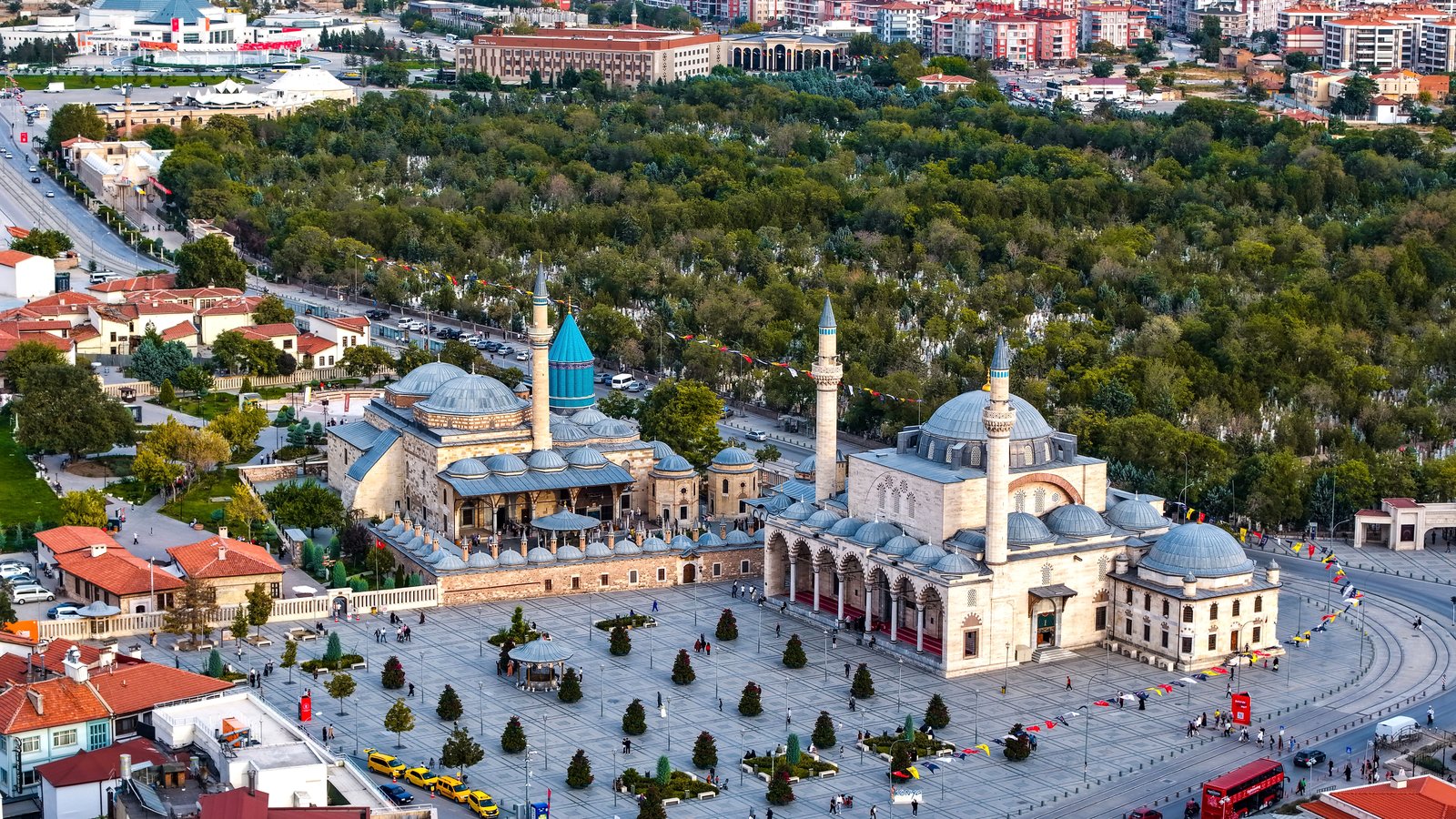
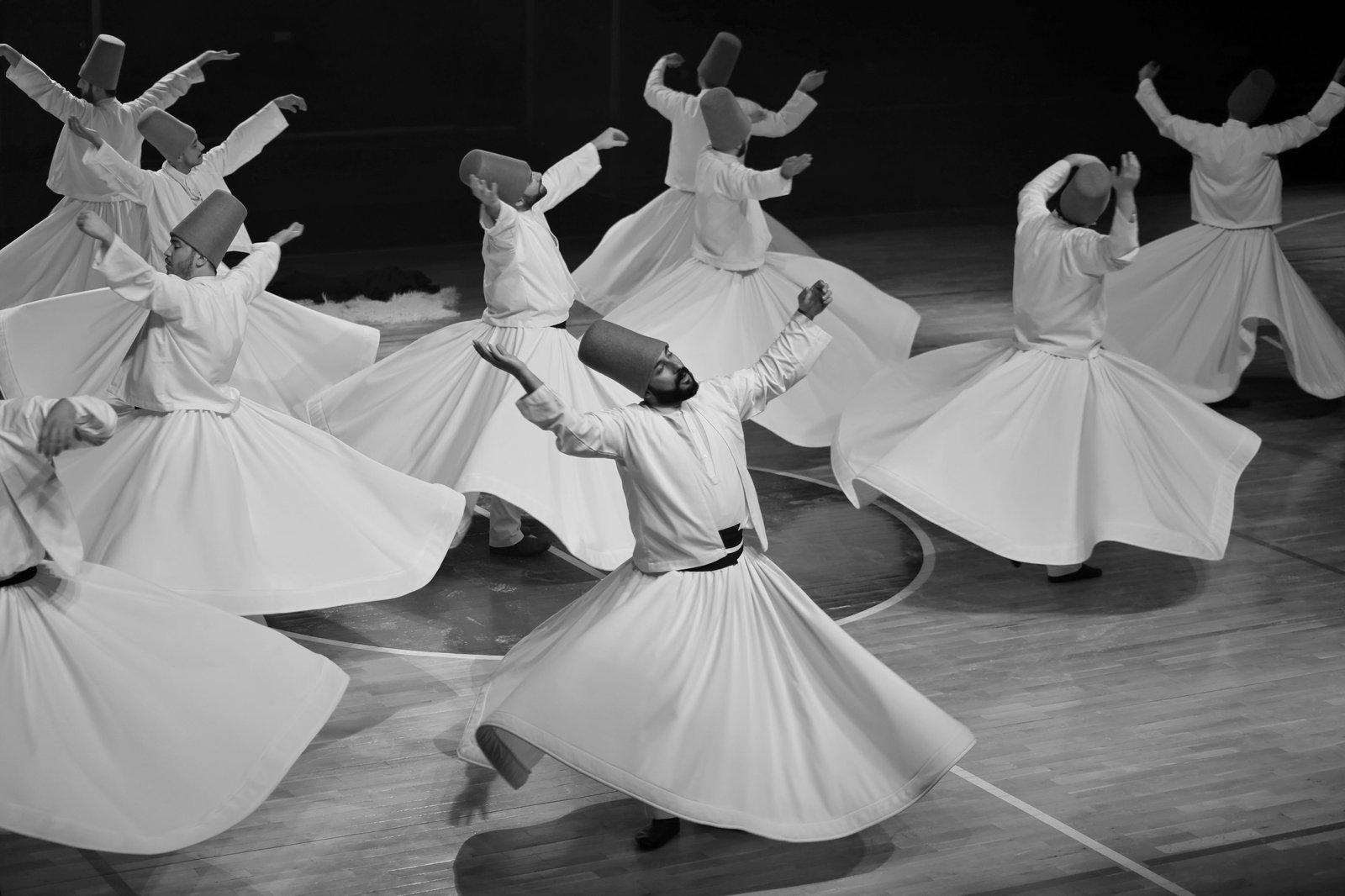
Konya is the spiritual heart of Anatolia — the city of Rumi, the great 13th-century Sufi poet and mystic, and the birthplace of the mesmerising Whirling Dervishes. Here, centuries of Seljuk grandeur and profound spirituality converge in a place of deep serenity.
Visit the Mevlana Museum, where Rumi's tomb draws pilgrims from across the world beneath its iconic turquoise dome, witness the transcendent Sema ceremony of the whirling dervishes, and admire the exquisite Seljuk architecture of ancient mosques and madrasas.
Our Konya experiences include private visits to the Mevlana Museum, exclusive Sema ceremony attendance, guided explorations of Seljuk heritage, and a contemplative journey into the philosophy of Rumi and the Mevlevi tradition.
Essential Information
- Best time to visit
- April - June, September - November
- Language
- Turkish
- Visa
- E-Visa available for most nationalities
- Currency
- Turkish Lira (TRY)
- Suggested stay
- 1–2 nights
- Gateways
- Konya (KYA)
- Best for
- Faith and spirituality travellers, Rumi and Sufi-culture enthusiasts, and cultural pilgrims.
Highlights
- Mevlana Museum private visits
- Whirling Dervish Sema ceremony
- Seljuk architectural heritage
- Rumi philosophy journeys
- Historic mosque explorations
Suggested Combinations
- Konya + Cappadocia — Sufi heritage and fairy chimneys, on the same route
- Konya + Istanbul — spiritual Anatolia and imperial city
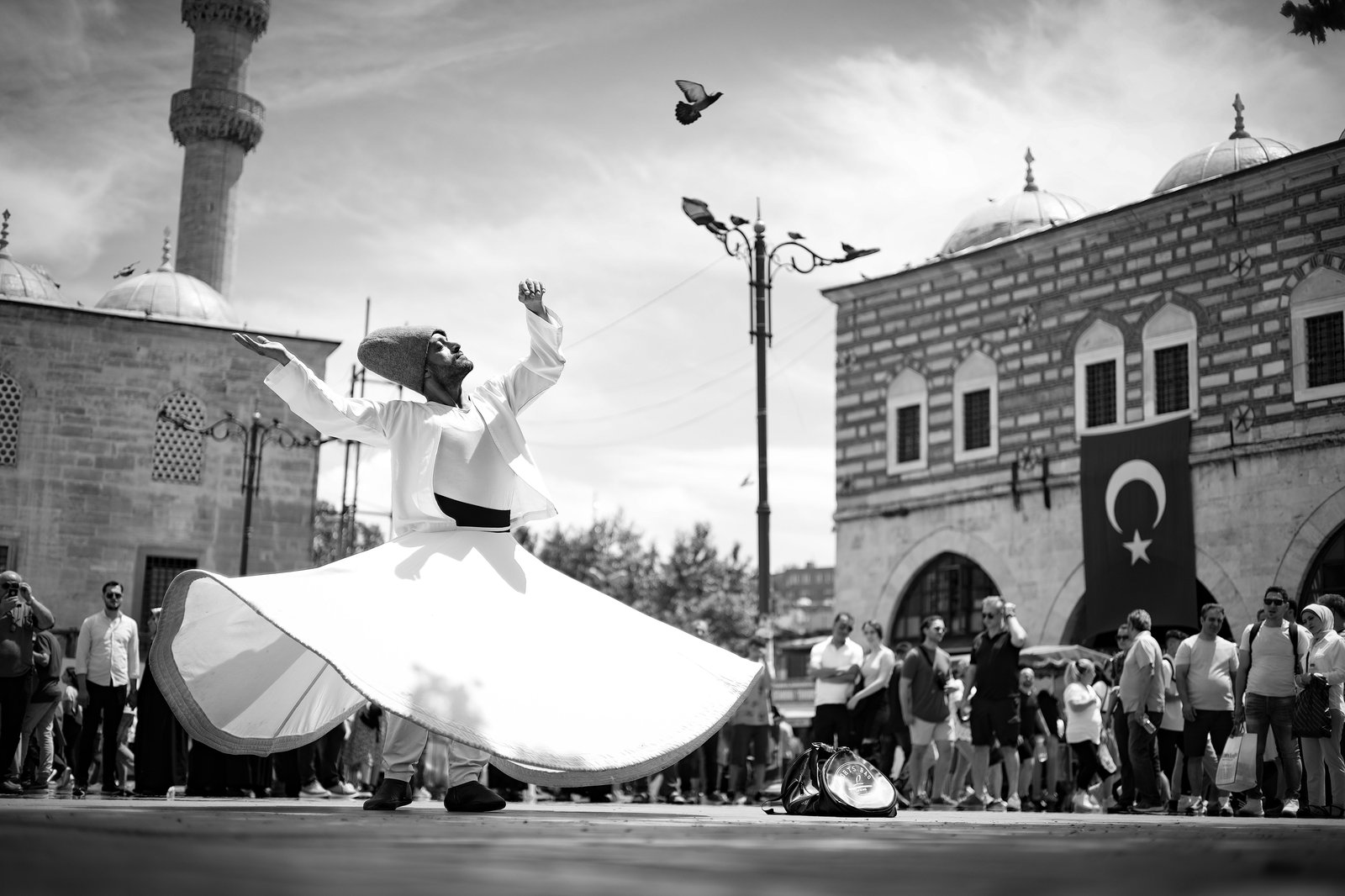
A Sema ceremony is not a show — it is an act of worship, and once you understand this, Konya becomes a different city. The whirling dervish’s right hand faces the sky and the left the earth: what is received is passed on. The turquoise dome above Mevlana’s tomb can be seen from everywhere in the city and has drawn people of every nation for 750 years. Most itineraries treat Konya as a stop on the road. Yet a well-timed night here can become the most remembered part of your whole Turkey journey.
Why Travel to Konya with Allway Tour?
- Timing the Sema ceremony: Ceremonies take place on specific days and times, and a tourist performance is not the same as the actual ritual. We check which takes place when and where, and plan your programme accordingly.
- Respectful guiding: The Mevlana Mausoleum is an active place of visitation. We brief our guests in advance on silence, dress and conduct — for both respect and comfort.
- Konya as part of the route: Breaking the long drive between Cappadocia and Antalya in Konya halves the fatigue and adds real value to your programme.
- A team in the region: We have our own team in Konya; transfers and timing are handled directly by us.
Konya Highlights
The Mevlana Museum and Mausoleum
The tomb of Mevlana Jalaluddin Rumi and the former Mevlevi lodge. The turquoise-tiled dome is the symbol of the city. Inside are manuscripts, musical instruments and dervish belongings. It is a place of visitation more than a museum — you will see people praying quietly; early morning is the most peaceful time.
The Sema Ceremony
Inscribed on UNESCO’s list of Intangible Cultural Heritage. Every movement has a meaning: the direction of the turn, the position of the arms, the tilt of the head. The Şeb-i Arus week in December (the anniversary of Mevlana’s death) is the busiest period — the atmosphere is extraordinary, but you need to plan months ahead to secure a place.
Seljuk Heritage: İnce Minareli and Karatay
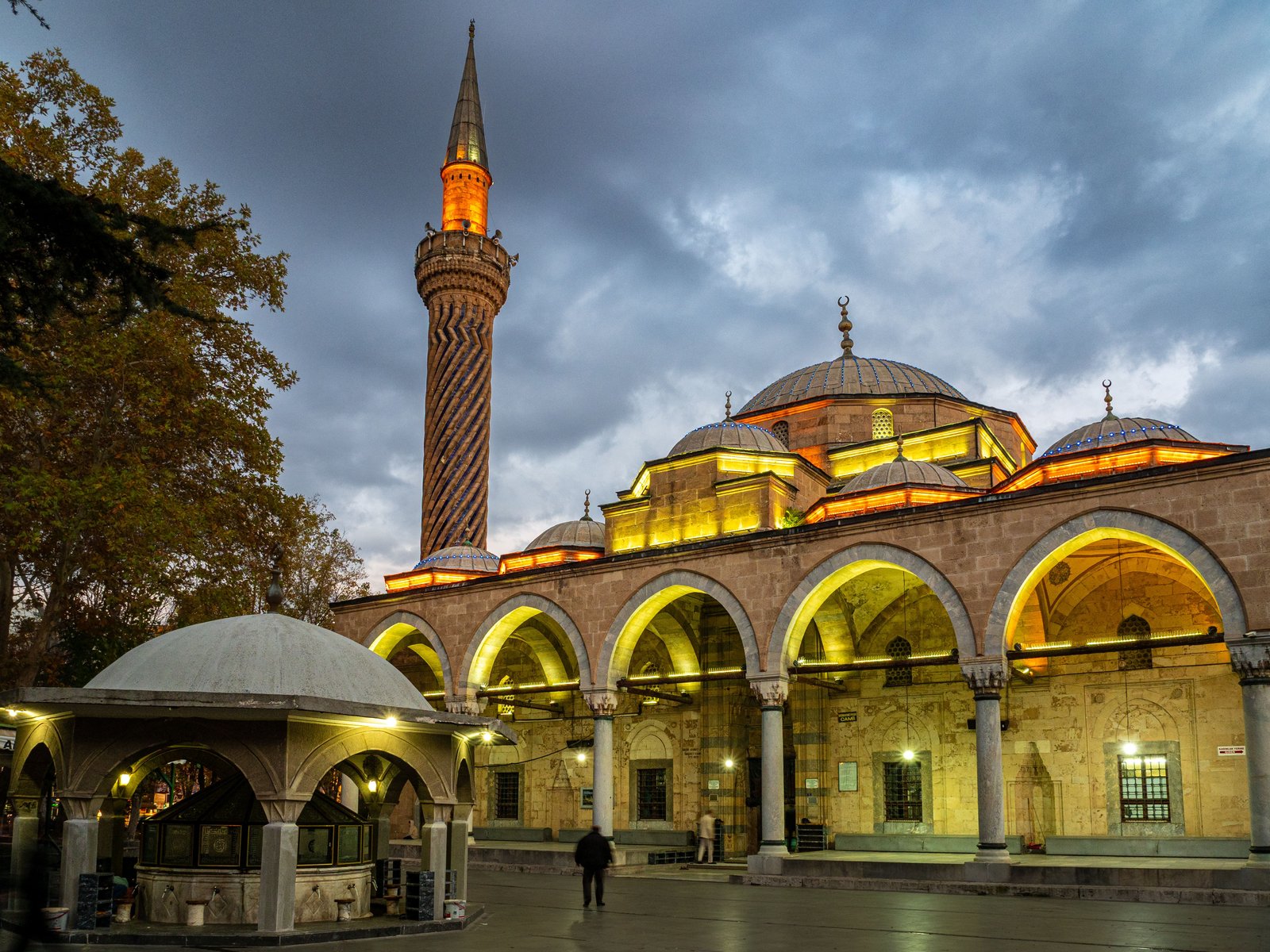
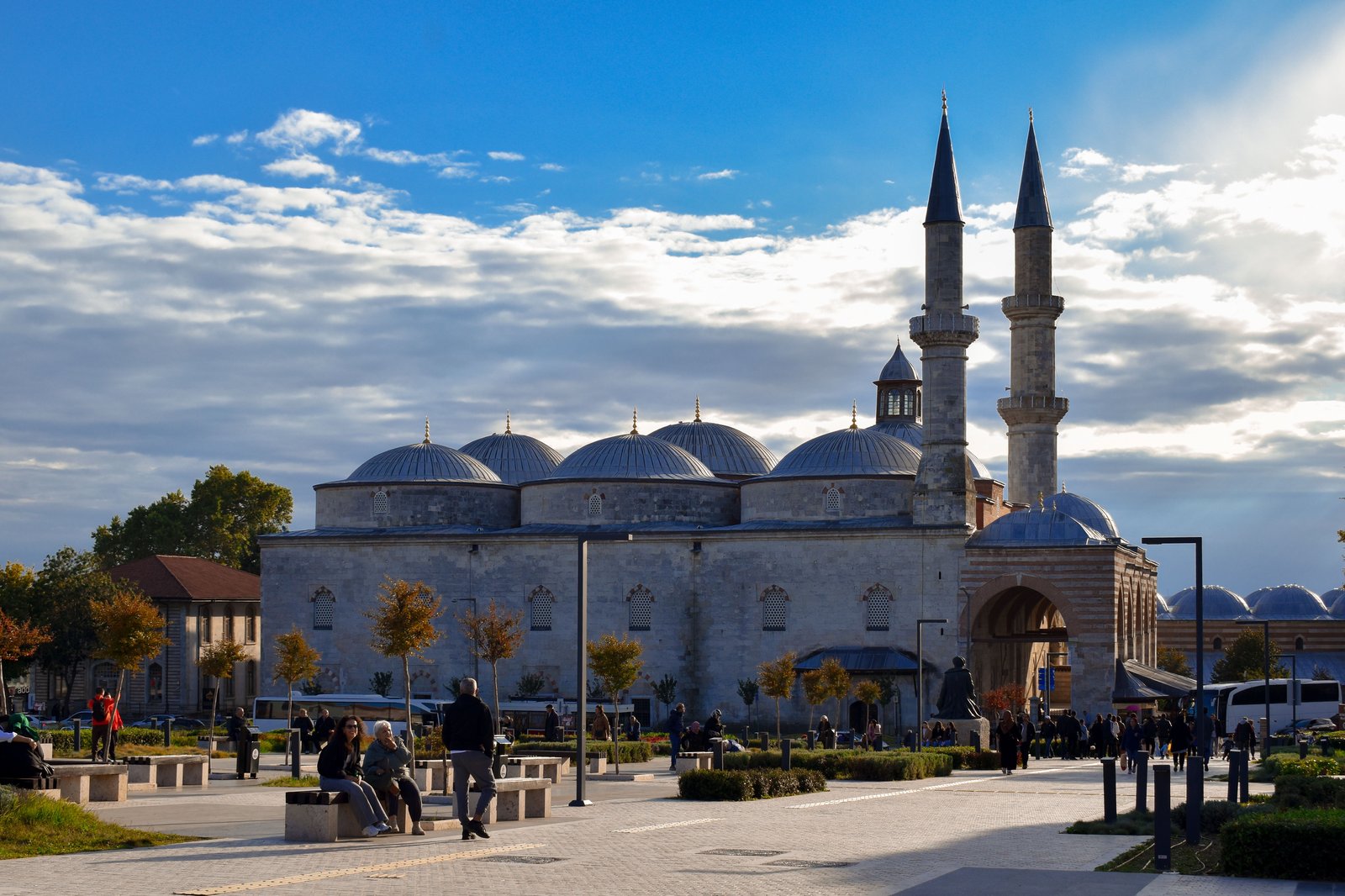
Konya was the capital of the Anatolian Seljuk State, a legacy most visitors don’t realise. The tiled dome of the Karatay Madrasa and the carved stone portal of the İnce Minareli Madrasa are among the finest examples of the period.
Çatalhöyük
About an hour from Konya, a 9,000-year-old Neolithic settlement — a UNESCO World Heritage Site. Its houses had no doors; entry was through the roof. One of the oldest known urban settlements in the world, and a natural companion to the Göbeklitepe route.
Frequently Asked Questions
When is the Sema ceremony held, and do I need a ticket?
Regular Sema programmes take place in Konya on specific days and times; some are free and some are ticketed. The programme and times change from time to time, so once we have your dates we check the current calendar and plan your visit around it. The Şeb-i Arus week in December requires very early booking.
How many nights should I stay in Konya?
1–2 nights is enough. One day for the Mevlana Museum, the Seljuk monuments and the Sema ceremony; Çatalhöyük on a second day if you have one. Konya usually works not as a destination on its own but as a strong link in the route.
How do I get from Cappadocia to Konya?
By road, about 3 hours. Konya is a natural stop to break the long journey between Cappadocia and Antalya — a meaningful night in the middle instead of an 8-hour drive in one go. From Konya to Antalya it is about 5 hours.
Konya Gallery
Journeys Featuring Konya
Planning guides
Plan Your Konya Journey
Tell us your dates and interests and our local team will design a private Konya itinerary around them.
Plan your trip · info@allwaytour.com · +90 534 397 1515